Migration remains one of the most complex and debated issues globally, with complex drivers and diverse impacts. While headlines often focus on immediate crises or political debates, a closer analysis of data reveals broader and evolving migration trends that provide a clearer understanding of population movements worldwide.
Global migration patterns and their evolution
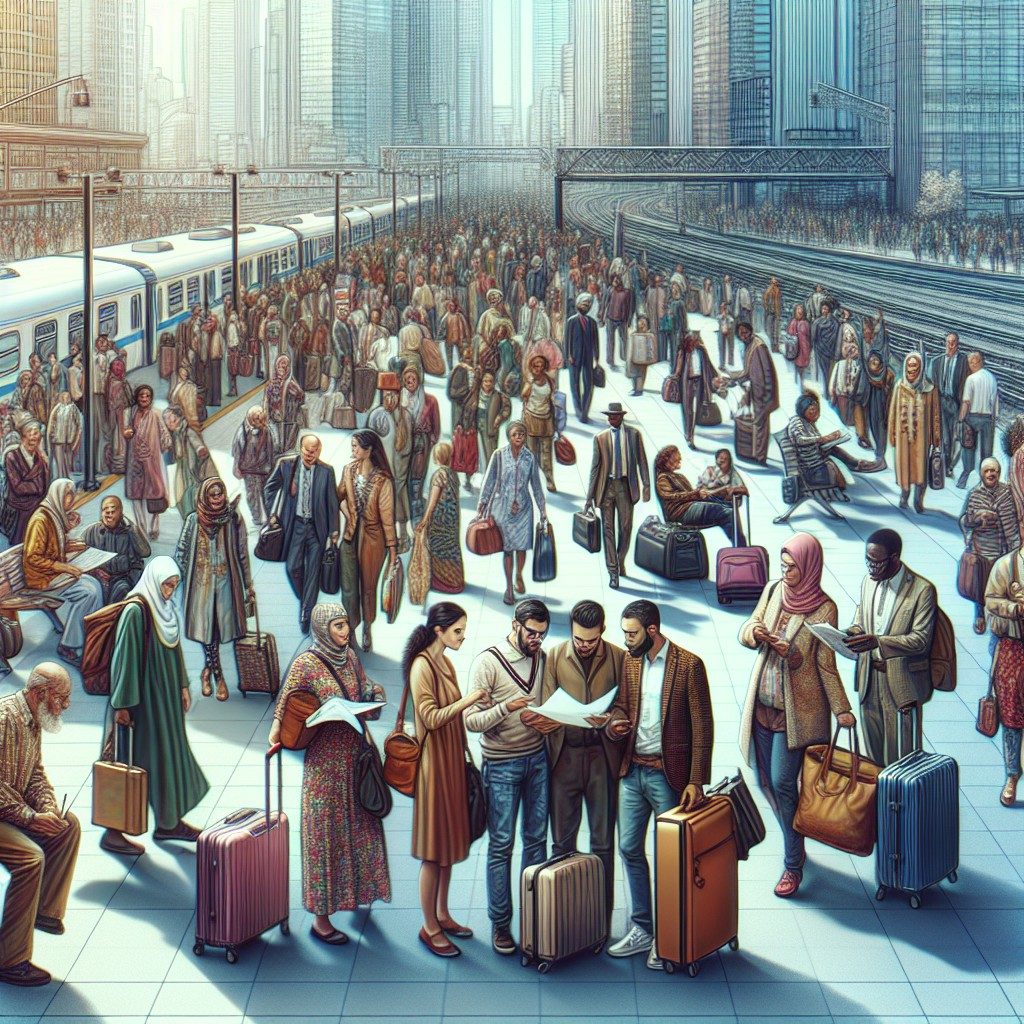
Recent data indicate that over 280 million people currently live outside their country of origin, representing approximately 3.6% of the global population, according to the United Nations Department of Economic and Social Affairs. This figure has been steadily increasing over the past decades, influenced by economic opportunities, conflicts, environmental changes, and demographic shifts. Notably, migration tends to be regional, with most migrants relocating to nearby countries rather than distant continents. This regional nature highlights socio-economic interdependencies and shared challenges across neighboring nations.
Economic factors driving migration
Economic opportunities remain a primary driver of migration trends. In many cases, workers move from low-income regions to higher-income areas seeking better employment and living standards. The International Labour Organization’s statistics show that labor migration accounts for a significant portion of international migration, especially among young adults. Additionally, remittances sent back home play a vital economic role in many developing countries, providing financial stability and supporting local economies. The interplay between labor markets in origin and destination countries shapes migration flows dynamically.
Impact of conflict and political instability
Forced displacement due to conflict, political oppression, and violence continues to shape migration patterns. The latest reports by the United Nations High Commissioner for Refugees (UNHCR) outline that the number of forcibly displaced people reached a record 110 million in 2023. Refugees and asylum seekers often face prolonged displacement periods before resettlement or return, influencing both their well-being and international aid priorities. These migration components frequently receive prominent media coverage, overshadowing other, more stable forms of migration that contribute to demographic changes over time.
Environmental and climate-related migration
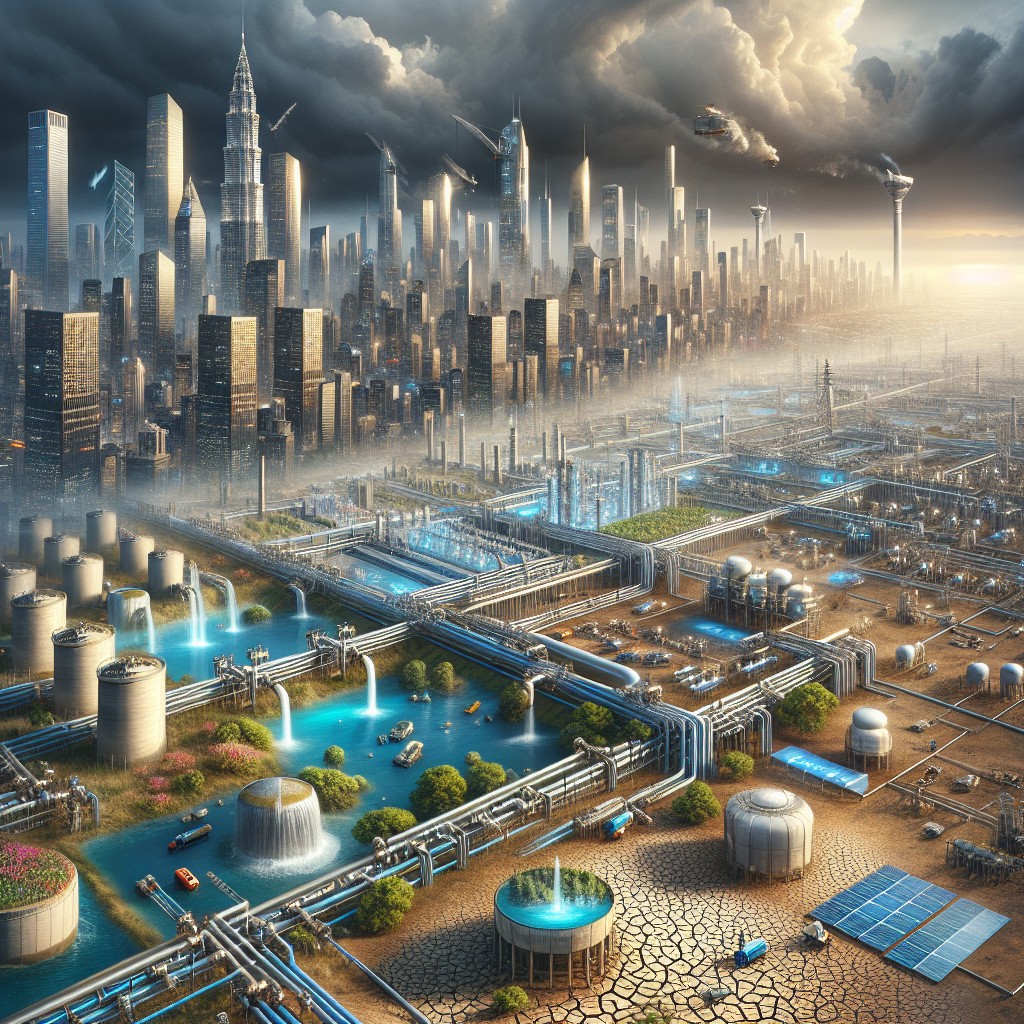
Environmental factors increasingly influence migration trends as climate change intensifies natural disasters, resource scarcity, and habitat loss. Although difficult to quantify precisely, experts acknowledge that rising sea levels, droughts, and extreme weather events compel many individuals to relocate, either temporarily or permanently. Governments and international bodies are progressively recognizing the need to address climate-induced migration in policy frameworks. This emerging aspect adds complexity to migration dynamics and challenges existing legal definitions and responses.
Policies and international cooperation shaping migration
Governments worldwide have implemented varied policies to regulate and manage migration, affecting trends significantly. Policies that facilitate legal migration channels tend to promote regular migration flows, while restrictive measures can lead to increased irregular migration and associated risks. The development of international agreements, such as the Global Compact for Migration, aims to strengthen cooperation between countries to handle migration comprehensively and humanely. Effective policy responses are essential to balance border security concerns with human rights and economic needs.
In summary, the analysis of migration trends beyond the media narratives reveals a multifaceted phenomenon influenced by economic, political, environmental, and policy factors. Understanding these complex dynamics is crucial as countries navigate the opportunities and challenges presented by migration in the coming years. Data-driven approaches and international collaboration will remain central to shaping effective and equitable migration responses.
Frequently Asked Questions about migration trends
What are the primary causes of current migration trends?
Current migration trends are mainly driven by a combination of economic opportunities, conflict and political instability, and increasingly, environmental factors such as climate change.
How has the number of international migrants changed recently?
The number of international migrants has steadily increased, reaching over 280 million worldwide, reflecting ongoing global demographic and socio-economic changes.
What role do policies play in shaping migration trends?
Policies regulating migration channels significantly influence migration trends by either facilitating safe and legal movement or, when restrictive, potentially increasing irregular migration.
Are environmental factors a new influence on migration trends?
Yes, environmental and climate-related issues have emerged as increasingly significant drivers of migration trends, contributing to both temporary and permanent relocation.
Why is it important to look beyond headlines when analyzing migration trends?
Headlines often focus on crisis-driven migration, but analyzing migration trends comprehensively provides a more balanced understanding of long-term patterns and the diverse factors influencing migration worldwide.