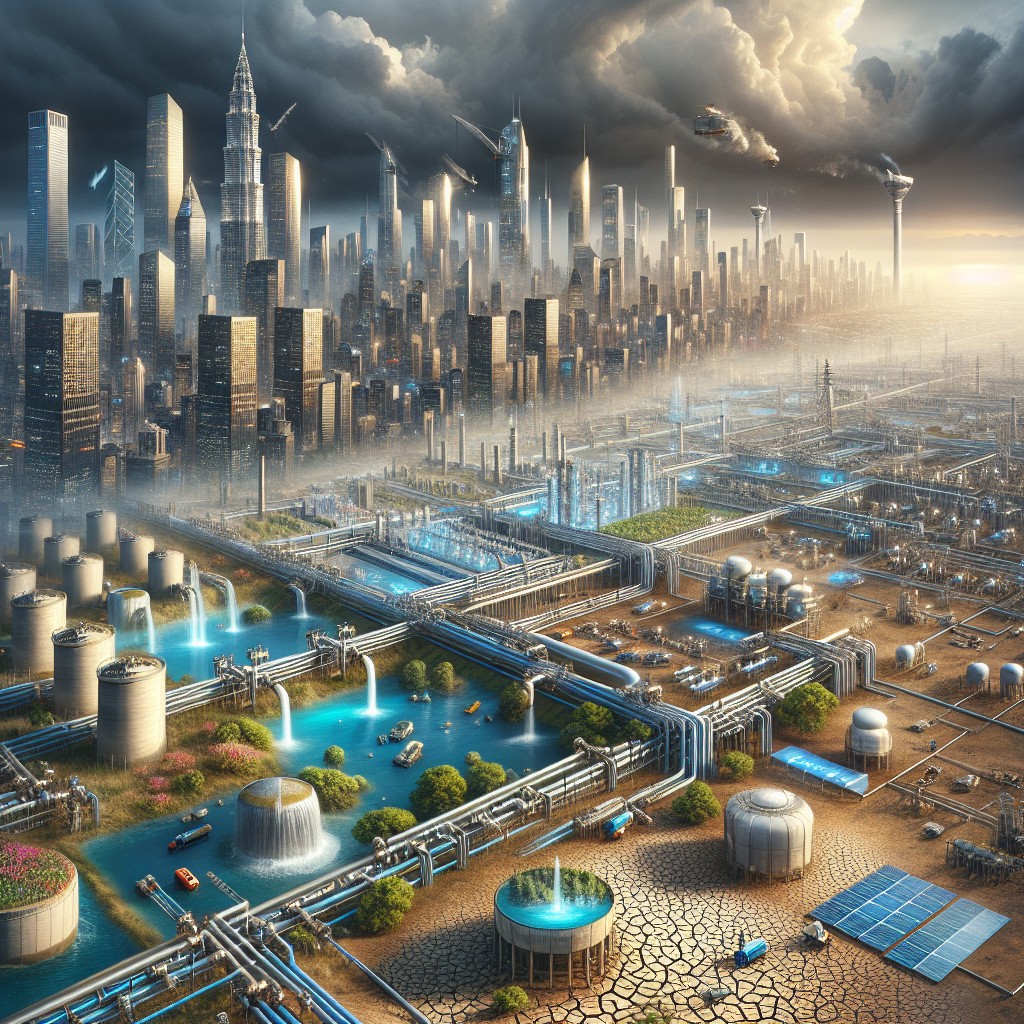
Water stress is increasingly becoming a critical challenge for megacities worldwide, as rapidly growing populations and climate change strain existing water resources. Urban centers with populations exceeding 10 million are facing mounting pressures to secure reliable water supplies and adapt their management strategies to avoid severe shortages.
Understanding Water Stress in Megacities
Water stress occurs when the demand for water exceeds the available amount during a certain period or when poor quality restricts its use. In megacities, this situation is often exacerbated by factors such as inadequate infrastructure, rapid urbanization, and shifting climate patterns. Cities like Mumbai, Mexico City, and Jakarta exemplify this struggle, where millions depend on inconsistent and sometimes contaminated water sources.
Impact of Climate Change on Urban Water Supplies
Climate change has amplified the unpredictability of rainfall patterns and increased the frequency of droughts in many regions hosting megacities. These environmental changes intensify water stress by reducing surface water flow and groundwater recharge. Consequently, urban water systems face greater strain as traditional sources become unreliable, highlighting the need for resilient and adaptive strategies.
Innovative Supply Strategies Responding to Water Stress
Megacities are increasingly adopting multifaceted approaches to address water stress. Strategies include diversifying water sources through rainwater harvesting, wastewater recycling, and desalination where geographically feasible. For example, Singapore’s NEWater system treats and reuses wastewater to provide a significant portion of the city’s potable water, showcasing how technology can alleviate pressure on natural sources.
Role of Infrastructure and Governance in Managing Water Stress
Robust infrastructure is fundamental in managing water stress effectively. Aging pipelines and inefficient distribution systems contribute to considerable water loss. Investments in upgrading infrastructure, coupled with smart metering and leak detection technologies, have been prioritized in cities like Tokyo and Los Angeles. Alongside technical improvements, transparent governance and water management policies are crucial to ensuring equitable access and sustainable usage.
Community Engagement and Demand Management
Another important aspect in tackling water stress involves promoting water conservation among urban residents. Public awareness campaigns and incentive programs encourage reduced consumption and responsible water use. Behavioral change alongside regulatory measures can significantly alleviate stress on limited water supplies. In many megacities, managing demand is proving as critical as expanding supply.
Conclusion
As megacities continue to grow, the challenge of water stress will persist, demanding continuous innovation and adaptive management. The integration of advanced technologies, infrastructure upgrades, and governance reforms shows promising progress in addressing urban water shortages. Future success depends on sustained commitment to these strategies combined with proactive climate resilience planning.
Frequently Asked Questions about water stress
What causes water stress in megacities?
Water stress in megacities is caused by a combination of high population demands, limited water resources, aging infrastructure, and the impacts of climate change, which together reduce the availability and reliability of safe water supplies.
How does climate change influence water stress in urban areas?
Climate change affects urban water supplies by altering rainfall patterns, increasing drought frequencies, and impacting water quality, thereby intensifying water stress in megacities.
What are some strategies megacities use to combat water stress?
Megacities use strategies such as diversifying sources with rainwater harvesting, wastewater reuse, desalination, upgrading infrastructure, and promoting water conservation to manage and mitigate water stress.
Why is infrastructure important in managing water stress?
Infrastructure is crucial because it ensures efficient water distribution, reduces losses due to leaks, and supports advanced treatment and storage systems that stabilize supply amidst fluctuating demand and environmental conditions.
Can individual residents help reduce water stress in megacities?
Yes, individual residents can reduce water stress by adopting conservation habits, such as fixing leaks, using water-efficient appliances, and following guidelines set by local authorities to promote sustainable water use.